
by Alex Wells
Once upon a time, by which I mean in the 1970s, art was going to stop being objects, maybe even stop being images. No more old-fashioned, space-wasting, weight-of-history-carrying, bourgeois-home-ready sculptures and paintings. Art was going to be about what those in the know had always known it was supposed to be about. Ideas. Naked ideas expressed in the form of performances, temporary installations, happenings, feasts, and, eventually, perhaps in a future then-unimaginable—wholly digital gestures and virtual experiences.
The more earthbound of the art-hounds might ask: with no capital-T Things to sell, how did artists support themselves? The answer seemed to be some quiltwork of teaching gigs, museum honoraria, government grants, large-scale commissions, inherited wealth and—for those penseé-merchants not yet appreciated enough to stay afloat on such expressions of cultural generosity—quietly-attended day jobs.
I cannot say whether governing economic realities have simply torn this system apart or whether our conceptual artists are just greedier than they used to be but anyone paying attention to what’s going on in the galleries now knows this: they’re all painting now. It’s not that they’ve stopped making videos, performing performances or writing manifestoes, it’s just that now in addition to all these things their shows now also have barn-door-sized paintings they made. Or that assistants did. It is not possible to tell them apart because the paintings are never good.
The paintings usually depict some stock images broadly-related to the artist’s major themes thrown together on a broadly Rauschenberg basis, screen-printed or lazily-brushed into existence with eye-catching Warhol colors and mounted sturdily in such a way as to invite a large living room to surround them. Paintings, you see, can be sold.
In a way these are the most conceptual works of all, if by that we mean the works most successfully conveying the maximum amount of meaning. They say (very believably) that the notion of the unsellable work of art made by the artist wholly unbounded by capitalism was always a pipe dream.
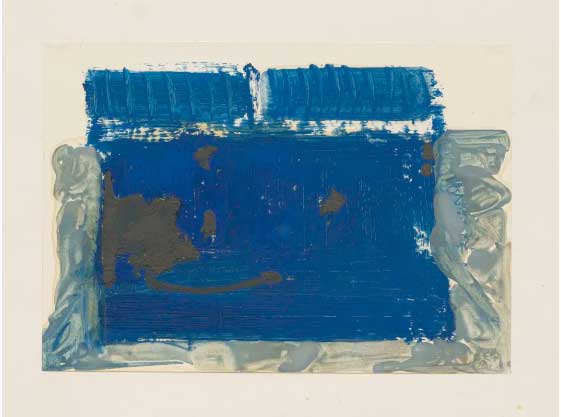
Image: Joseph Beuys, Untitled (2 Materials), 1947/1966. Photo by Eva Herzog. Copyright Joseph Beuys Estate.