
by Emmie Sharp
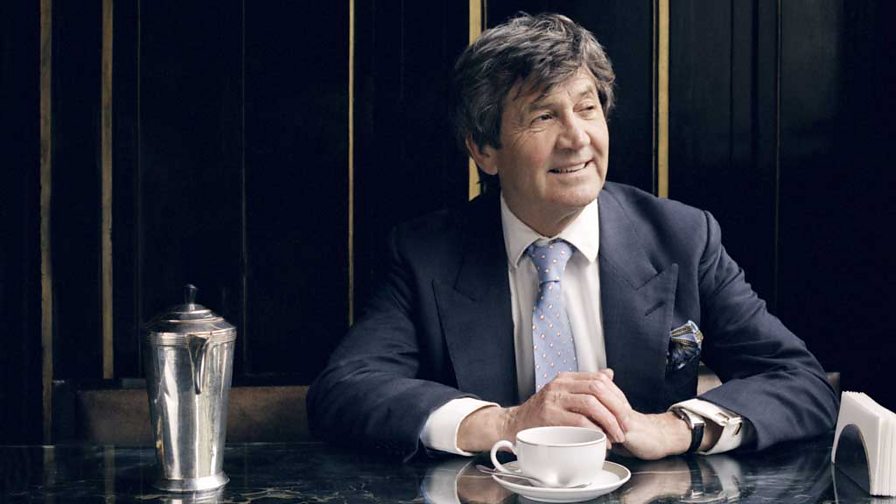
After hosting since the turn of the century, novelist, screenwriter, peer of the realm and veteran BBC presenter Melvyn Bragg has stepped down from In Our Time, the completely-inaccurately-named podcast which invites subjects experts to come on and talk about everything other than current events. Napoleon, bees, Satan—if someone between the English Channel and the Orkneys wrote a dissertation on it, there is an episode on it.
This is a drag for anyone who enjoys boning up on subjects esoteric and academic the easy way—each hour-ish episode offered an overview of its subject that was accessible enough that anyone basically literate could follow along but thoughtful enough to interest even those already conversant. The key was Melvyn’s combination of omnivorous interest and relentless ability to keep an eye on the edutainmental ball, consistently balancing a sense of wit and relevance with a thirst for intellectual rigor. One of the minor joys of the show is taking a drink every time Melvyn verbally wrist-slaps some esteemed professor of mathematics or linguistics when they bury a controversial point under abstractions (“Now, wait, let’s get this straight: Was this a common practice or a novelty blown out of proportion?”) or appear to be riding their hobby-horse off on a detour that risks dragging the survey over the edge of its time slot. He also did his homework: Instead of simply asking the experts to explain everything from the ground up, Bragg directed the conversation toward what made each subject unique. On an episode about the Kalevala—the Finnish national epic—he casually mentions that its “about 23,000 lines” and makes a reasonable pass at pronouncing “Väinämöinen”.
In Our Time posited that everything was interesting—and then managed to live up to it. In a way, the autodidacts among us might be glad its gone, as it will allow them to finally catch up on 26 years of episodes.
Image: BBC
